
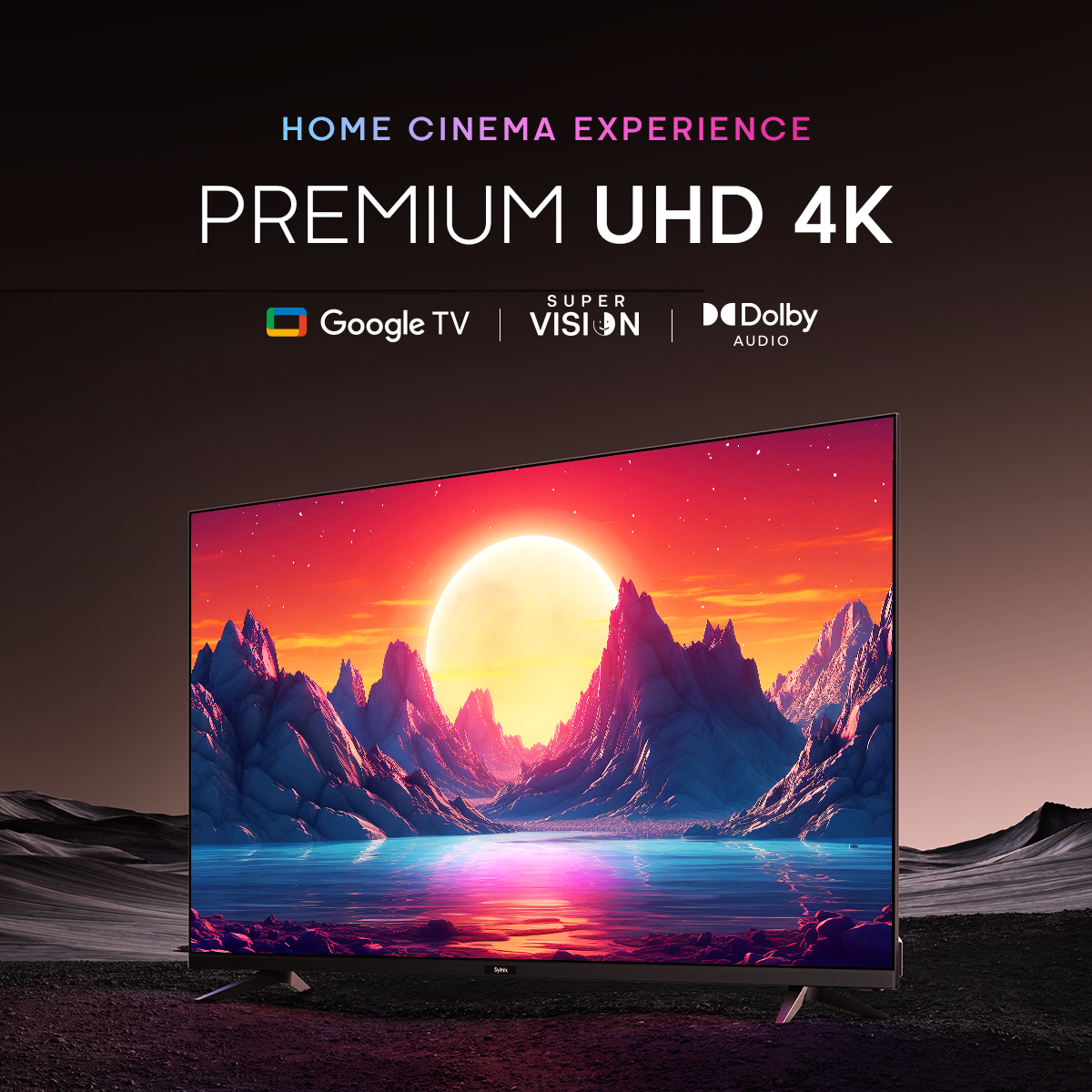


The television market in Kenya has evolved significantly over the past few years, with consumers now having access to advanced display technologies that deliver exceptional picture quality and immersive viewing experiences. When shopping for a new TV in Kenya, two terms you are likely to encounter are QLED and UHD. While many people assume these technologies are the same, they actually refer to different aspects of a television's performance. Understanding the difference between QLED and UHD can help you make a more informed purchasing decision.
UHD, which stands for Ultra High Definition, refers to a television's resolution. A UHD TV features a resolution of 3840 x 2160 pixels, commonly known as 4K. This means the screen contains four times more pixels than a standard Full HD television, resulting in sharper images, greater detail, and a more immersive viewing experience. Whether you are watching sports, movies, documentaries, or playing video games, UHD resolution allows you to see finer details and enjoy enhanced picture clarity.
QLED, on the other hand, is a display technology that focuses on improving colour accuracy, brightness, and overall picture quality. QLED stands for Quantum Dot Light Emitting Diode, a technology that uses microscopic quantum dots to produce more vibrant colours and higher brightness levels. This makes QLED televisions particularly effective in brightly lit living rooms, where maintaining image quality can sometimes be a challenge.
One of the most common misconceptions among TV buyers in Kenya is that QLED and UHD are competing technologies. In reality, they serve different purposes. UHD determines how detailed the image appears, while QLED enhances the way those images look by improving colour reproduction and brightness. In fact, many modern televisions combine both technologies, offering UHD resolution alongside QLED display enhancements to deliver a premium viewing experience.
When comparing picture quality, a QLED TV generally produces richer colours and deeper contrast than a standard UHD television without quantum dot technology. Viewers can expect more lifelike images, especially when watching nature documentaries, action movies, and sports broadcasts. The enhanced brightness of QLED displays also helps maintain picture quality during daytime viewing, which is particularly useful in homes with large windows or bright indoor lighting.
Price is another factor that often influences purchasing decisions. Standard UHD TVs are generally more affordable, making them an excellent option for consumers looking for a balance between performance and value. QLED TVs typically come at a higher price point due to their advanced display technology. However, for viewers who prioritise superior picture quality and colour performance, the additional investment can be worthwhile.
For Kenyan consumers looking to upgrade their home entertainment setup, the choice between QLED and UHD ultimately depends on viewing preferences and budget. If your primary goal is to enjoy sharper images and access to 4K content at an affordable price, a UHD TV may be the ideal solution. If you want enhanced brightness, richer colours, and a more premium viewing experience, a QLED TV is likely the better choice.
At Synix Kenya, we understand that every household has different entertainment needs. Whether you are looking for an affordable UHD television or a feature-rich Smart TV with advanced display technology, choosing the right television starts with understanding the technology behind it. By knowing the difference between QLED and UHD, you can confidently select a TV that delivers the best value and performance for your home.
As television technology continues to advance, both UHD and QLED remain excellent options for Kenyan consumers. The key is identifying which features matter most to you and selecting a television that matches your viewing habits, room environment, and budget.
发表评论
此站点受 hCaptcha 保护,并且 hCaptcha 隐私政策和服务条款适用。